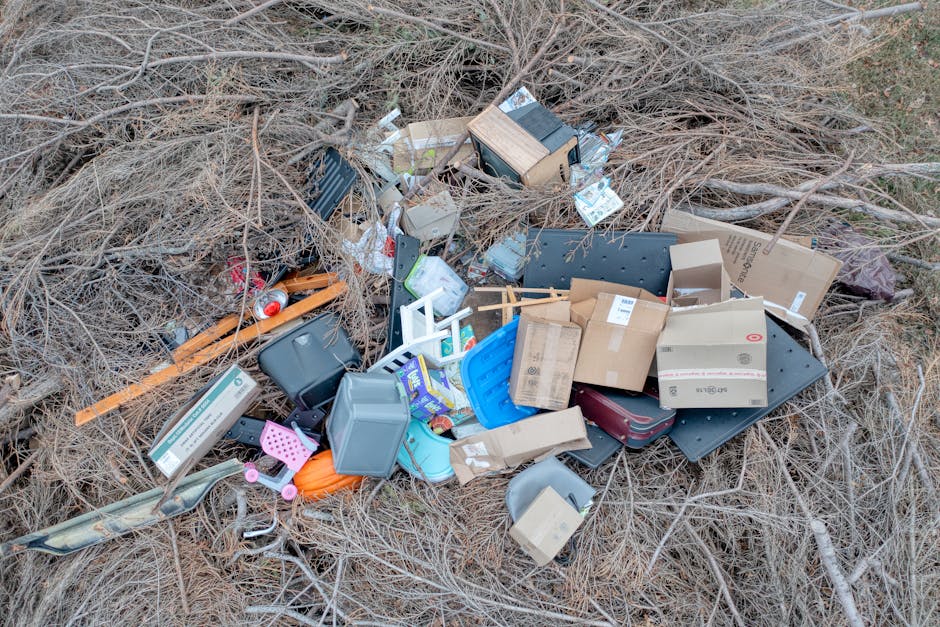
Common problems when disposing bulky waste in Shepherds Bush
Getting rid of a sofa, mattress, broken wardrobe, or old fridge sounds simple enough until the real problems start. Heavy lifting, awkward stairwells, restricted parking, timing issues, and confusion about what can actually be taken away can turn a basic job into a small headache. If you are dealing with common problems when disposing bulky waste in Shepherds Bush, you are not alone. It is one of those jobs that looks manageable from the hallway and then suddenly becomes a puzzle at the front door.
This guide walks through the most common stumbling blocks, why they happen, and what practical steps make disposal far easier. You will also find a clear comparison of options, a checklist, and a few local realities that tend to catch people out in West London. Let's face it, nobody wants a bulky item sitting in the flat for another week because the first plan was a bit too optimistic.
Table of Contents
- Why these bulky waste problems matter
- How bulky waste disposal usually works
- Key benefits and practical advantages
- Who this is for and when it makes sense
- Step-by-step guidance
- Expert tips for better results
- Common mistakes to avoid
- Tools, resources and recommendations
- Law, compliance, standards, or best practice
- Options, methods, or comparison table
- Case study or real-world example
- Practical checklist
- Conclusion
- Frequently asked questions
Why Common problems when disposing bulky waste in Shepherds Bush Matters
Bulky waste is not like putting out a bag of kitchen rubbish. It is bigger, heavier, often more awkward, and usually harder to move without damaging walls, lifts, floors, or your back. In Shepherds Bush, the mix of busy streets, flats above shops, controlled access, and shared entrances can make the task more fiddly than people expect. One careless move with a wardrobe panel, and suddenly there is a scrape on the stairwell. Not ideal.
The issue matters because poor planning can create avoidable costs, delays, and safety risks. A heavy item left in the wrong place may block communal areas, frustrate neighbours, or miss a collection slot. If the item is not prepared properly, the removal team may not take it at all. That is where frustration creeps in. And to be fair, it is usually not because people are careless. Most of the time, they just underestimated the practical side of the job.
There is also a bigger picture. Bulky waste often contains materials that can be reused, recycled, or handled separately depending on condition and type. When disposal is rushed, those opportunities are easy to miss. A little preparation can save time and reduce the chance of making a messy situation messier.
Expert summary: the main problems are usually not the item itself, but the access, sorting, lifting, booking, and disposal method around it. If you solve those four or five issues early, the whole process gets a lot smoother.
How Common problems when disposing bulky waste in Shepherds Bush Works
Bulky waste disposal generally follows a simple pattern: identify the item, check what service can accept it, prepare it for collection or drop-off, and arrange removal. In reality, each step can surface a different problem. A sofa may fit through the front door but not the stair corner. A fridge may be too heavy for one person but also need special handling because of its parts. A pile of mixed items may look ready for collection, yet still need sorting before anyone can take it.
In Shepherds Bush, property layouts often influence what is practical. A ground-floor house with a driveway is a very different job from a top-floor flat with a narrow stairwell and no lift. Some people try to manage with a car and a mate from down the road. Others need a more structured removal plan because the item is simply too bulky or too awkward. There is no single best method for every case, which is why the common problems matter so much.
Here is the basic flow most people go through:
- Measure the item and the access route.
- Check whether it needs disassembly.
- Separate any hazardous or non-accepting materials.
- Choose a suitable removal option.
- Confirm the booking, access, and timing.
- Move the item safely and dispose of it responsibly.
That sounds neat on paper. In practice, the snag is usually somewhere in the middle. A missing screwdriver, a locked gate, or a surprise parking restriction can throw the whole thing off. Small thing, big delay.
Key Benefits and Practical Advantages
When bulky waste is handled properly, the benefits are immediate and very noticeable. The space looks clearer, the route through the flat opens up again, and the item is gone without stress hanging around for another week. You also reduce the chance of damage during a rushed do-it-yourself move. No one enjoys dragging a sofa down the hall at 8pm while trying not to wake the neighbours.
There are practical advantages too. Proper planning often means:
- fewer failed collections
- less lifting strain and lower injury risk
- cleaner shared spaces and fewer neighbour complaints
- better sorting for reuse or recycling
- faster clearing of awkward rooms, garages, lofts, or offices
In many cases, the real win is peace of mind. Once the bulky item is gone, the room feels different. Less crowded. Easier to clean. Easier to use. That matters whether you are emptying a flat, clearing a spare room, or making space for a delivery that is due the next morning.
Who This Is For and When It Makes Sense
This topic is relevant to a fairly wide group of people in Shepherds Bush. Homeowners, tenants, landlords, letting agents, businesses, and even family members helping older relatives all run into bulky waste sooner or later. The item may be a tired mattress, a dining table that will not fit in the lift, or a broken appliance that has been sitting in the corner like an unwanted houseguest.
It makes sense to think carefully about disposal when:
- you are moving out or preparing a property for new occupants
- you are replacing large furniture or appliances
- the item is too big for normal household rubbish collection
- shared access makes lifting and carrying difficult
- the waste includes more than one type of material
If you manage a rental flat or office, the planning part becomes even more important. One missed detail can affect neighbours, staff, or building management. And if you are in a rush, that is usually when mistakes happen. Truth be told, a calm half-hour of planning can save a very annoying afternoon.
Step-by-Step Guidance
If you want fewer surprises, follow a methodical process. Not exciting, perhaps, but effective. Here is a practical approach that works well for most bulky waste jobs.
1. Identify exactly what needs removing
Write down each item. A "bed" may actually mean a frame, mattress, headboard, and two drawers. That distinction matters because different parts may need different handling.
2. Measure the item and the exit route
Check width, height, and length, then compare those measurements with doorways, stair turns, lifts, and hallways. This is where many jobs go sideways. Something can look fine in the bedroom and still fail at the front door.
3. Decide whether it should be dismantled
Some furniture can be broken down into smaller pieces without much effort. If you do not have the tools or the time, note that early rather than discovering it with the item halfway moved. That is not the moment to start searching for an Allen key.
4. Separate restricted or hazardous material
Items like fridges, certain electronics, paints, chemicals, and some construction leftovers may need special treatment. Keep them apart from normal bulky household items.
5. Choose the right disposal method
For a single chair, a simple collection might be enough. For several heavy items, a more structured waste removal service may be more efficient. If you are dealing with furniture specifically, a dedicated service such as furniture disposal can be more suitable than a general clear-out.
6. Confirm access details
Check parking, entry codes, flat numbers, lift availability, and any time restrictions. In a busy part of London, this can be the difference between a smooth pickup and an avoidable delay.
7. Prepare the item for collection
Remove loose cushions, doors, drawers, or detachable parts if practical. Clear a path, protect corners if needed, and make sure someone is available if the collection requires access to the property.
8. Keep paperwork or booking details handy
It sounds obvious, but it helps. If the collector needs confirmation or the building manager wants to know what is happening, you will not be scrambling for messages in your phone.
One small point that saves a lot of bother: if you think an item might be awkward, act as though it definitely is. That mindset usually leads to better preparation.
Expert Tips for Better Results
Here is the sort of advice that tends to make a real difference in the field, not just on paper.
- Measure before you move. Do not guess. Guessing is how people get a sofa wedged in a hallway.
- Think in parts, not just items. A wardrobe often becomes manageable once doors and shelves are removed.
- Use the quietest access route. Back entrances, service lifts, or wider communal doors may save effort, provided you are allowed to use them.
- Book with a buffer. If you are preparing a property for a viewing or delivery, leave some breathing space.
- Group similar items together. Sorting furniture, appliances, and mixed rubbish separately speeds up the process and reduces confusion.
- Protect the property. Moving blankets, cardboard, and a quick sweep of the route can prevent avoidable scuffs.
In our experience, people often focus on the item itself and forget the route. But the route is the job. The item is only half the story.
If you are dealing with furniture or soft furnishings, a service such as mattress and sofa disposal may be a more efficient fit than trying to improvise. Likewise, if the job includes an old cabinet, table, or settee in poor condition, the right service can reduce lifting and handling problems quite a bit.
Common Mistakes to Avoid
Most bulky waste problems are preventable. A lot of the pain comes from a few repeat mistakes that crop up again and again.
Leaving it too late
People often wait until the room is needed urgently, then discover they have not arranged anything. That is when stress goes up and options go down.
Assuming everything can be collected together
Mixing general furniture, electrical items, and odd bits of waste can cause refusals or delay sorting. Not every service handles every item in the same way.
Ignoring building access issues
Shared stairwells, narrow hallways, parking pressure, and locked gates are not minor details. They are usually the details that matter most.
Underestimating weight
A bulky item can be deceptively light-looking and still be awkward to lift. Weight distribution, shape, and grip matter just as much.
Forgetting special items
Fridges, freezers, and certain electricals can need different handling from standard furniture. If you have appliances in the pile, check whether a dedicated service such as fridge and appliance removal is more appropriate.
Not asking about preparation
Some collections need items outside, while others can remove from inside. Some need disassembly, some do not. If you do not ask, you may assume wrong. Happens all the time.
And here is a slightly humorous truth: bulky waste has a way of multiplying the moment you start moving things around. One cupboard turns into six forgotten boxes, a broken lamp, and a mystery bag from 2021. You know the feeling.
Tools, Resources and Recommendations
You do not need a van full of gear to deal with bulky waste, but a few simple tools help more than people expect.
- Measuring tape for doorways, items, and tight corners
- Gloves for grip and basic protection
- Blankets or old sheets to reduce scuffs on floors and walls
- Screwdriver or hex key set for taking items apart
- Strong tape or bags for loose fixings and screws
- Mobile phone camera to document item condition or layout before moving
As for service options, think about the type of waste you have rather than just the size. For example, a flat clear-out might be better handled differently from a garage full of mixed items. A dedicated flat clearance page may be useful if you are emptying a property with mixed furniture, appliances, and general clutter. For larger domestic jobs, a broader house clearance approach may be more efficient.
There is also a sustainability angle worth keeping in mind. If an item can be reused, repaired, or broken down for recycling, that is usually better than sending it straight to disposal. A responsible operator should explain that clearly. If environmental impact matters to you, consider services with a visible focus on sorting and recovery, such as recycling and sustainability.
Law, Compliance, Standards, or Best Practice
Bulky waste removal is not just about convenience. There are practical responsibilities around safety, access, and proper handling. In the UK, waste should be managed carefully and handed to an appropriate, lawful carrier or service. You do not need to become a legal expert to dispose of a sofa, but you should be cautious about who handles your waste and how it is managed.
Best practice usually includes:
- making sure waste is not left in a way that blocks access or creates a hazard
- separating items that need special handling
- using a service that is transparent about what it accepts
- keeping the collection area safe for residents, staff, and visitors
- checking how the provider handles recycling and disposal
Health and safety matters too. Large items can injure the back, fingers, and feet if moved badly. They can also damage walls, lifts, and floors. If your building has shared areas, be especially careful. A tidy route and a sensible lift strategy are not just nice-to-haves; they are basic good practice.
Where business premises are involved, additional care may be needed for office furniture, confidential items, or equipment. A service such as office clearance can be a better fit than a generic household approach. For businesses, it can also help to review broader waste handling through business waste removal so the process stays organised.
If you are unsure what can be taken, ask before the collection is booked. That is the simplest safeguard. No drama, no assumptions.
Options, Methods, or Comparison Table
Different bulky waste solutions suit different situations. The best option depends on how large the items are, how easy they are to move, and how quickly you need them gone.
| Method | Best for | Strengths | Common drawbacks |
|---|---|---|---|
| Self-moving | Small bulky items, easy access, short distances | Can be cheap if you already have transport | Heavy lifting, time-consuming, higher risk of damage or injury |
| Skip-style disposal | Mixed waste from renovation or larger clear-outs | Useful for ongoing fill over time | Space needed, permit considerations, not ideal for single heavy items |
| Specialist bulky item collection | Furniture, appliances, mattresses, awkward items | Less lifting for you, faster removal, simpler logistics | May need booking, item prep, and access coordination |
| Full property clearance | Flats, houses, garages, lofts, offices | Efficient for multiple items and cluttered spaces | Requires more planning and a clearer brief |
If you are comparing methods, think about the hidden costs as well as the visible ones. A cheap self-move can become expensive if you need a van, extra hands, parking help, or repair work after a mishap. Sometimes the "cheaper" option is not really cheaper at all.
For mixed rubbish and larger household clearances, a broader service such as waste removal may be the most straightforward route. And if the bulky waste is part of a larger decluttering project, home clearance can make the process much cleaner from start to finish.
Case Study or Real-World Example
A typical Shepherds Bush scenario goes like this. A tenant is moving out of a first-floor flat and needs to remove a sofa, a mattress, and a small wardrobe. The hallway is narrow, the stairwell turns sharply, and parking outside is always a bit of a gamble after school run time. The first instinct is to carry everything down in one go with two friends. That plan lasts about thirty seconds.
Instead, they measure the wardrobe, remove the doors, and separate the mattress from the rest of the furniture. They also check access times and make sure the items can be moved without blocking neighbours. The sofa is handled through a dedicated furniture service, while the wardrobe is dismantled into manageable sections. No one gets trapped in the stairwell. No one chips the paintwork. The move finishes before the evening rush builds up.
That is the difference between improvising and planning. The items were still bulky. The street was still busy. But the job became manageable because the obvious problems were dealt with before they turned into obstacles.
For another common example, think about a garage in disarray after years of storing old chairs, a broken freezer, and half-finished DIY bits. In that case, a garage clearance approach may work better because the issue is not one item but the whole clutter pattern around it.
Practical Checklist
Use this quick checklist before you move anything:
- Have you identified every bulky item to be removed?
- Have you measured the item and the route out?
- Does anything need dismantling first?
- Have you separated appliances, hazardous items, and general furniture?
- Is access clear for the removal team or vehicle?
- Have you checked building rules, parking, and collection timing?
- Are floors, corners, and shared spaces protected where needed?
- Do you know whether the item will be reused, recycled, or disposed of?
- Have you confirmed any special handling needs?
- Do you have the booking details saved and easy to hand?
If you can tick most of those off, you are already ahead of the game. Honestly, that is where a lot of the stress disappears.
For people who want an easy way to arrange the job, the practical next step is to review pricing and quotes and then book the right type of collection rather than guessing. If you prefer to organise things straight away, you can also use book online when the service fits your needs.
Conclusion
The common problems when disposing bulky waste in Shepherds Bush usually come down to access, planning, handling, and choosing the right method for the item. Once those pieces are clear, the whole job becomes a lot more manageable. A bit of measuring, a bit of sorting, and a sensible approach to safety can save you time, money, and a fair amount of frustration.
If you take one thing from this guide, let it be this: bulky waste is rarely difficult because of the waste itself. It is difficult because of the path to get it out. Deal with the path first, and everything else gets easier.
Get a free quote today and see how much you can save.
And if you are standing there wondering whether that old sofa will fit through the door, well, you are in good company. Take a breath, plan it properly, and the room will feel lighter before long.
Frequently Asked Questions
What counts as bulky waste in Shepherds Bush?
Bulky waste usually means items that are too large or awkward for normal household rubbish collections, such as sofas, mattresses, wardrobes, tables, appliances, and similar large objects.
Why is bulky waste disposal so difficult in flats?
Flats often have narrow stairwells, shared entrances, lifts with size limits, and limited parking outside. Those practical issues can be more difficult than the item itself.
Can I leave bulky waste in the communal area?
Usually, it is better not to. Shared hallways and entrances should stay clear for safety and access. Leaving items there can create complaints or block movement.
Do I need to dismantle furniture before collection?
Sometimes yes, sometimes no. It depends on the size of the item, the access route, and the service you use. Dismantling often makes the job easier, though.
What happens if my item is too heavy to move safely?
Do not force it. That is when injuries and damage happen. A specialist removal service or a clearance approach is usually safer than trying to manage it alone.
Are fridges and freezers treated differently from other bulky items?
Yes, they often are. Appliances may need separate handling because of their materials and components. It is sensible to check this in advance.
How far in advance should I arrange bulky waste removal?
The sooner the better, especially if access is tight or you have a moving deadline. Leaving it until the last minute is one of the most common headaches.
Can bulky waste be recycled or reused?
Often, yes. If the item is in reusable condition or can be broken down into recyclable materials, that may be possible. It depends on the item and the service used.
What should I do before the collection team arrives?
Clear the access route, separate items by type, remove loose parts where practical, and make sure the booking details are ready. A tidy route helps more than people expect.
Is a full clearance better than removing one item at a time?
If you have several items or a cluttered space, a fuller clearance can be more efficient. For one or two items, a targeted bulky waste collection may be enough.
What is the main mistake people make with bulky waste?
The biggest mistake is underestimating access. People often focus on the item size and forget about doors, stairs, parking, and time restrictions.
How do I choose the right removal service?
Match the service to the item type, the amount of waste, and the access conditions. Furniture, appliances, loft clearances, and office clearances can each need a slightly different approach.