Commercial Waste Removal in Shepherds Bush
Commercial waste removal in Shepherds Bush helps businesses keep work areas clear of unwanted materials, whether that means regular collections, occasional office clear-outs or the disposal of bulky items after a refit. Our service is built around practical loading, sorting and lawful disposal, with an emphasis on making the process straightforward for shops, offices, hospitality premises and other commercial sites. If you need a dependable way to move waste out of the way without disrupting the day, this is the core service we provide.
We handle a wide range of commercial waste streams, including general mixed rubbish, office furniture, shop fittings, broken equipment and other non-hazardous items that need to be removed from business premises. Where appropriate, materials are separated for recycling and recovery, and collections are planned to suit access, loading points and the amount of waste involved. If you are comparing options, the best place to start is with a clear description of the waste type and the space it is coming from.
For businesses that want a more specific next step, the most useful way to request a quotation is to share the type of waste, approximate volume and any access details that could affect collection. That makes it easier to match the job to the right vehicle and labour plan. You can also prepare by setting aside items that must stay on site and grouping together the waste you want removed. Please get in touch when you are ready to review the options.
Business waste collections
Business waste collections are suitable for organisations that produce mixed rubbish from day-to-day operations and need it cleared without letting it build up. That may include packaging, archived paperwork, redundant stock, broken plastics, small fixtures and general non-confidential office waste. Collections can be arranged around trading hours or quieter periods where practical, which helps keep reception areas, stockrooms and staff spaces usable while the removal takes place.
Commercial premises often benefit from a planned approach rather than a one-off clear-out. A regular or repeat collection pattern can make it easier to deal with recurring waste from routine operations, refurbishments or tenant changeovers. Where items are still in usable condition, it may be possible to separate them from the rest of the load before disposal. For businesses that prefer a single point of contact, our waste removal service can cover many common collection needs in one visit.
What is usually included
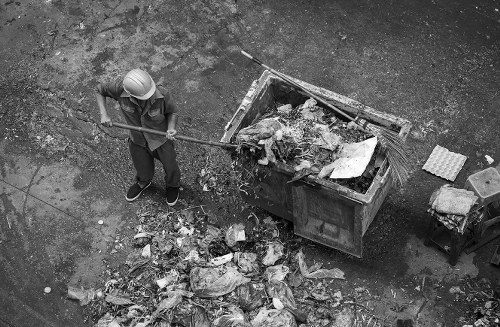
The exact scope depends on the site and the waste presented, but common collection work may cover:
- General commercial rubbish from offices, shops and service premises
- Desks, chairs and other office furniture no longer required
- Packaging, cardboard and mixed bagged waste
- Bulky items that are difficult to move without assistance
- Load-up from storage rooms, back offices or customer areas
Office and workplace clearance
Office and workplace clearance is useful when desks need removing, storage rooms have filled up, or a business is changing layout and wants everything taken away in one organised visit. The work can include the lifting and removal of individual items as well as fuller clearances of surplus furniture and equipment. For many sites, the aim is not only disposal but also restoring usable floor space so that the workplace can be reconfigured more easily.
Where offices contain mixed contents, items are usually handled with some sorting so that reusable or recyclable materials are separated where feasible. Typical contents include chairs, filing units, shelving, pedestal drawers, reception furniture and miscellaneous items from meeting rooms or staff areas. If documents are present, confidential material should be treated separately; a dedicated shredding or secure handling route is generally more appropriate than ordinary waste removal. This keeps the clearance practical while respecting the different treatment some office items require.
Before a workplace clearance, it helps to identify which rooms are included and which items should remain in place. That makes the collection faster to plan and reduces the risk of removing anything needed for the next stage of your operation. Clear access around larger items is also useful, especially where desks or cupboards need to be carried through narrow corridors, lifts or shared entrances. Once the scope is understood, you can ask for a quotation based on the actual contents rather than a guess.
Furniture and bulky item disposal
Furniture disposal is an important part of commercial waste removal when premises contain surplus seating, tables, shelving or other bulky items that are awkward to move and unsuitable for general bins. These items often arise from office renewals, shop fitting changes, hospitality updates or the end of a lease. Our role is to collect the items, load them safely and direct them into the right disposal route according to their condition and material type.
Bulky items vary widely in weight, shape and dismantling requirements. Some can be removed as they are, while others may need to be broken down to fit through access points or to separate different materials. That is why it is useful to note whether furniture is freestanding, fixed, flat-packed, upholstered or partly damaged. The more precise the description, the easier it is to plan lifting and transport without unnecessary delay. A practical quotation usually reflects both volume and handling difficulty.
For business customers comparing options, it can help to think about the job in stages: identify the items, decide whether anything must be dismantled, and then choose the collection slot that suits the premises. Good planning reduces disruption and makes it simpler to keep the surrounding area open for staff or customers. If your main concern is bulky furniture rather than mixed rubbish, a focused collection can often be more efficient than a general clear-out.
Commercial site clear-outs and refurbishment waste
Commercial site clear-outs are useful when premises are being refurbished, re-let or reorganised and a large amount of residual material must be removed. This can include old counters, display units, loose fit-out waste, shelving, fixtures that are no longer required and other non-structural items left behind after works. The purpose is to create a cleared base so the next phase of the property work can move ahead without clutter in the way.
Refurbishment waste can be mixed, so the collection plan may need to account for timber, metal, plastics, packaging and other residues from a strip-out or redesign. In some cases, the items are spread across several rooms or levels, which makes access planning important. Where waste is distributed through a property, it is helpful to note stair use, lift availability, parking or loading restrictions and whether any item is too large to move intact. These practical points shape the safest and most sensible removal method.
If the premises are still partly in use, the collection can often be staged so that only the designated areas are cleared. That is especially useful where trading continues while works are underway. A concise list of the main items, plus photographs if available, can make it easier to assess the job quickly. Keep the information focused on what must be removed, and we can work out the best way to handle the clearance.
Waste sorting, recycling and responsible disposal

Responsible disposal is a key part of any commercial waste removal service, because business waste is rarely just one thing. A collection may contain recyclable metal, cardboard, clean plastics, wood, worn furniture and residual rubbish all in the same load. Sorting these items properly helps direct them to the most suitable processing route and avoids treating recoverable material as ordinary waste when there is a better option available.
Recycling decisions depend on the condition and composition of the items collected. For example, plain cardboard and some metals are often easier to separate than mixed materials, upholstered furniture or damaged items with several components. That does not mean mixed loads cannot be handled; it simply means the removal method should reflect what is actually on site. Our approach is practical and measured, with the waste assessed for the most appropriate handling route once it has been collected.
Businesses that are trying to reduce avoidable waste can benefit from separating obvious recyclables before collection, especially where packaging or clean single-material items make up part of the load. This does not need to be complicated. A simple division between keep, recycle and remove is usually enough to make the process clearer. If you want to discuss a commercial clearance with disposal handled in a responsible way, ask for a quotation and include the main item types in your message.
Pricing, access and job planning
Commercial waste pricing is usually shaped by the amount of material, the type of items involved and the effort needed to load them safely. Access matters too. A straightforward collection from a ground-floor loading point is different from a clearance that involves stairs, tight corridors, limited parking or several separate storage areas. The cleaner and more precise the job description, the easier it is to prepare a sensible quotation.
Useful information often includes approximate volume, whether the waste is bagged or loose, whether furniture must be dismantled and whether the collection area has any restrictions. If there are fragile fittings, shared entrances or specific site rules, those details should also be mentioned so the work can be arranged with minimal disruption. Many businesses find it helpful to keep a brief inventory so that nothing important is overlooked when the collection is planned.
Two practical steps usually save time: first, group items by room or by waste type; second, decide in advance what stays and what goes. That gives a clearer picture of the work and makes it simpler to plan the manpower needed. When you are ready, send the details through and request a quotation based on the actual clearance rather than a rough estimate.
About Shepherds Bush
Shepherds Bush is an area in west London best known for its mix of residential streets, busy shopping destinations and transport links. It sits within the London Borough of Hammersmith and Fulham and has long been associated with movement, trade and entertainment as much as housing. The area is closely identified with the green space of Shepherd’s Bush Green, a central open area that acts as a landmark and a visual anchor within the district. Nearby stands the Westfield London shopping centre, one of the major retail destinations in the capital, while the wider district includes a dense pattern of streets, local businesses and older terraces that reflect the area’s long urban history.
Furniture disposal and appliance removal
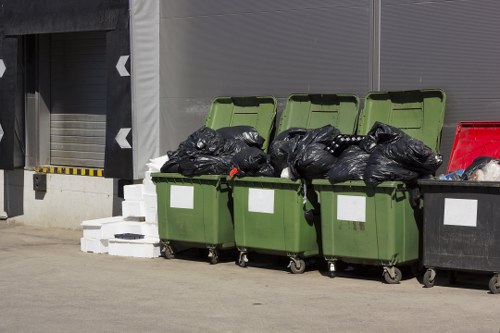
Furniture disposal often overlaps with appliance removal when a business is updating a staff kitchen, clearing a back office or replacing old fixtures. In these cases, the work may involve heavier items such as fridges, cabinets, tables, counters or seating that need careful lifting and transport. The important point is to match the method to the item, because different materials and weights call for different handling during collection and disposal.
Some items are straightforward to remove, while others need extra care because of size, residual contents or awkward positioning. That is particularly true where appliances have been stored in tight utility rooms or where furniture has to pass through customer areas on the way out. It helps to state whether the items are free-standing, connected to services or situated in a hard-to-reach corner. Clear access information allows the collection team to plan the safest route and avoid needless handling.
Not every disposal job needs a full premises clearance. Sometimes a small group of bulky items is the real issue, and removing those pieces is enough to restore order in the room. If that is the case, keep the request focused on the relevant items and include any constraints that affect removal. That makes it easier to produce a quotation that reflects the actual work involved instead of bundling in unnecessary extras.
Waste clearance for shops, hospitality and trade premises
Shops, cafés, restaurants, salons and other trade premises often produce waste that is more awkward than ordinary household rubbish. Displays, seating, packing materials, old stock, damaged fittings and back-of-house clutter can all build up quickly, especially where stock changes or refurbishments take place. A commercial waste removal service is well suited to these situations because it can deal with mixed items and bulky contents in one organised visit.
For customer-facing premises, timing and tidiness matter just as much as the removal itself. It is often preferable to clear waste before opening, after closing or during a quieter window so staff can continue working with less interruption. Where there are shared access points, alleyways or loading bays, the collection plan should account for them from the start. That reduces the chance of delay and helps keep the premises presentable throughout the job.
Practical information to share
When arranging a collection for a trade premises, it is useful to provide:
- The main types of waste or unwanted items
- Whether items are inside, outside or spread across several rooms
- Any access limits, such as stairs, parking restrictions or opening hours
- Whether you want a single clearance or a repeat collection pattern
- Any items that must be left in place
Confidential material and specialist waste
Some commercial waste needs a more careful approach than ordinary rubbish removal. Confidential papers, records and sensitive documents should be handled separately from general mixed waste, and specialist shredding is usually the more appropriate route for that material. Similarly, waste that may be regulated or potentially hazardous must be treated under the correct controls rather than being mixed in with routine clear-out items. The key is to identify those items early so they are not put into the wrong disposal stream.
For most businesses, the safest plan is to separate specialist waste from standard items at source. That makes the collection more orderly and reduces the risk of confusion on the day. If your premises contain a combination of ordinary commercial rubbish and a smaller amount of sensitive material, it is sensible to describe them separately when requesting help. The main waste removal service can then focus on the general items while any specialist stream is directed elsewhere as needed.
Commercial waste removal works best when the scope is clear and the load is suitable for general handling. If you are uncertain whether an item belongs in ordinary waste or needs a specialist route, it is better to mention it than to leave it out. The same applies to mixed loads containing office contents, old stock and documents. For a straightforward next step, send the details and request a quotation for the items you need taken away.