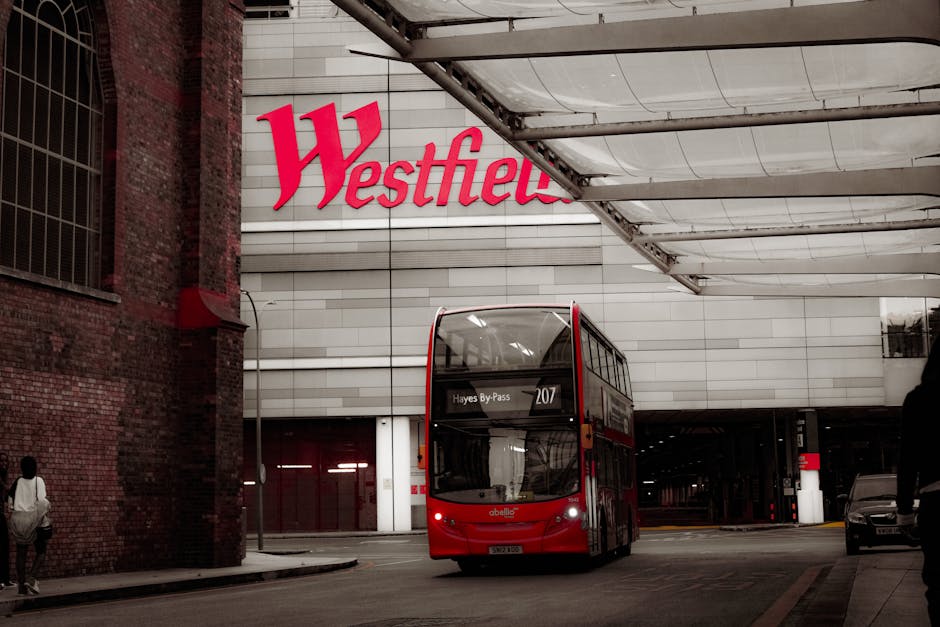
Westfield London rubbish collection tips W12
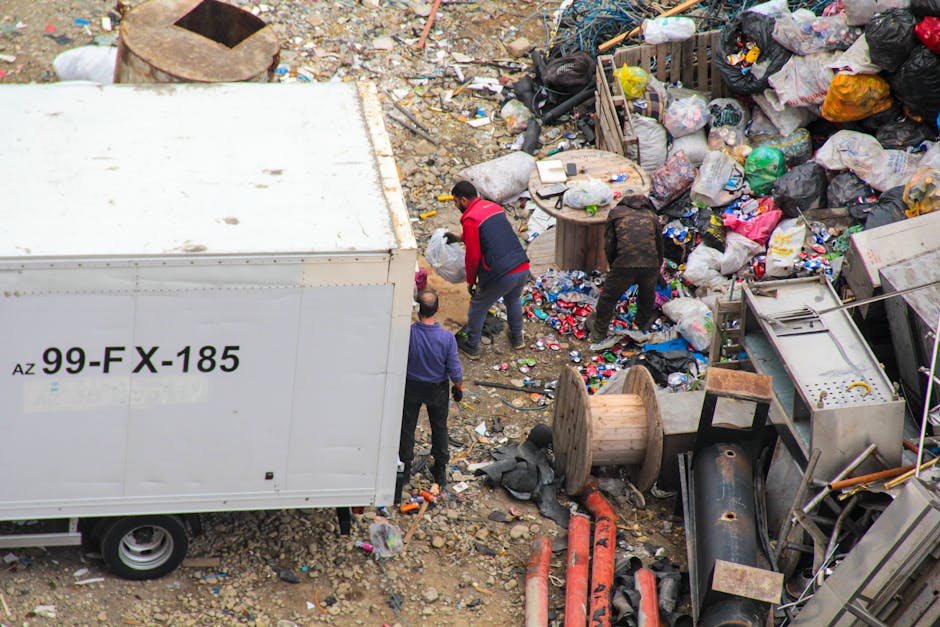
If you are trying to shift rubbish around Westfield London in W12, the tricky part is often not the lifting. It is the planning. Busy pavements, timed collections, mixed waste, awkward parking, and that one bag that suddenly becomes three-sound familiar? This guide brings together practical Westfield London rubbish collection tips W12 readers can actually use, whether you are clearing retail packaging, office clutter, fit-out waste, or just dealing with a frustrating pile of household junk after a big day.
The aim here is simple: help you organise rubbish collection safely, cheaply where possible, and without causing unnecessary hassle. You will find step-by-step advice, local considerations, compliance reminders, and a few hard-won tips that make the whole process feel less chaotic. To be fair, rubbish is never glamorous, but it does not have to be a headache either.
Expert summary: The best results usually come from sorting waste early, separating recyclables, checking what cannot go in general rubbish, and choosing a collection method that matches the volume and type of waste. For larger clear-outs, services such as waste removal, business waste removal, or office clearance are often the most efficient route.
Why Westfield London rubbish collection tips W12 Matters
Westfield London sits in a very busy part of the capital, and that matters more than people expect when waste needs to move quickly. In W12, collections often have to work around footfall, loading restrictions, building access, shop trading hours, and the simple fact that space is tight. If you leave rubbish until the last minute, it tends to build into a bigger issue than it should have been.
Good rubbish collection advice is useful because it helps you avoid three common pain points: blocking access, creating unnecessary mess, and paying for the wrong disposal method. That is especially true if the waste came from retail stock, packaging, a small renovation, an event, or a move. A bag of mixed rubbish is one thing. A van load of mixed rubbish with cardboard, fixtures, old display items, and a broken appliance is something else altogether.
There is also a reputational side to it. For businesses near a major destination like Westfield London, a neat back-of-house area and prompt waste handling help things feel under control. For households, it can be the difference between a cluttered weekend and a clear space by Sunday evening. Not a small thing, really.
And then there is safety. Loose rubbish in a busy area can become a trip hazard, attract pests, or cause issues with delivery drivers and cleaners moving through narrow spaces. If waste includes sharp material, glass, or electrical items, the risk rises quickly. Good planning keeps everybody calmer.
How Westfield London rubbish collection tips W12 Works
The process usually starts with identifying what kind of waste you have and how much of it there is. That sounds obvious, but it is where a lot of problems begin. A few black sacks are very different from bulky items, construction debris, or commercial waste that needs separating before collection.
In practice, rubbish collection around Westfield London works best when you treat it as a small project. First, sort the waste. Then decide whether it is general waste, recyclable material, bulky waste, appliance waste, or something more specialist. After that, match the collection method to the load size and access conditions.
For example, a shop refit may need a fast clearance from a team used to handling mixed commercial debris. A flat move may only need a smaller one-off collection. A restaurant or office may need a regular service instead of a one-time pickup. If you are unsure, the safest approach is to ask for a collection option that fits the actual material rather than assuming one bin or one vehicle size will do the job.
Where access is awkward, timing matters just as much as vehicle choice. Early morning pickups, short loading windows, and clear access routes can make a huge difference in busy W12 streets. Sometimes it is simply about avoiding the busiest time of day. Other times it is about pre-staging waste so the crew can load efficiently without trailing bags in and out. It saves time. It saves stress. Everyone wins.
If the rubbish is part of a larger clear-out, it may be more sensible to use a broader service such as home clearance, house clearance, or flat clearance, especially when several waste types are mixed together.
Key Benefits and Practical Advantages
The obvious benefit is that your rubbish disappears. Useful, yes, but there is more to it than that.
- Cleaner access: Clear walkways, loading areas, and entrances reduce hassle for staff, residents, or visitors.
- Less downtime: A structured collection is usually quicker than handling waste in bits and pieces over several days.
- Better sorting: Separating recyclable and non-recyclable material supports more responsible disposal.
- Reduced risk: Fewer loose items means fewer slips, trips, and accidental damage.
- Improved presentation: For shops and offices near Westfield London, that matters more than people admit out loud.
- More predictable costs: Once you understand the waste type and volume, you can usually choose a service with less guesswork.
There is a practical confidence that comes from knowing the rubbish will be handled properly. Instead of staring at a pile in the corner and thinking, "I'll sort that tomorrow," you get your space back and move on. Simple, but powerful.
If the item mix includes furniture or worn-out household pieces, it can help to use a focused service like furniture disposal or mattress and sofa disposal rather than trying to force everything into a general collection.
Who This Is For and When It Makes Sense
This topic is relevant to a fairly wide mix of people. The common thread is that they need a fast, sensible way to move rubbish near Westfield London without causing extra disruption.
It makes sense for:
- shop managers dealing with packaging, display waste, or stock refreshes
- office teams clearing old files, furniture, or equipment
- landlords and letting agents handling end-of-tenancy clutter
- homeowners and tenants doing a seasonal clear-out
- contractors managing light builder's waste or refurbishment debris
- local businesses that need a one-off or recurring rubbish collection solution
If you are clearing a workspace, the problem often looks different from a home clear-out. Office waste can include confidential papers, mixed plastics, broken chairs, monitors, and the random cable drawer that somehow multiplies every year. In a flat, it may be old furniture, bags of general waste, or bulky items that won't fit in the lift. That is where choosing the right route matters.
For a business with regular waste, a dedicated service such as business waste removal is usually more sensible than ad hoc lifting and shifting. For renovation debris, builders waste clearance is often a better fit because the waste profile is different. Different job, different approach.
Step-by-Step Guidance
If you want a smoother collection, use this simple sequence. It is boring in the best possible way.
- Identify the waste type. Make a quick list: general rubbish, cardboard, wood, metal, electrical items, furniture, or potentially hazardous material.
- Separate what can be recycled. Flatten cardboard, keep metals together where possible, and avoid mixing clean recyclables with food waste or liquids.
- Remove obvious hazards. Sharps, broken glass, leaking containers, and anything suspect should be isolated and handled carefully.
- Measure the volume. Not with lab precision-just enough to know whether you are dealing with a few bags, a roomful, or a van-load.
- Check access. Note stairs, narrow corridors, parking limits, lifts, timed loading bays, and any restriction that might slow the job down.
- Choose the collection route. Small load, one-off pickup, full clearance, or a more specialised service.
- Stage the waste neatly. Put items in one place so loading is quicker and less disruptive.
- Confirm what cannot go. Fridges, chemicals, paint, and certain electricals may need special handling. Do not assume they are ordinary rubbish.
- Book and prepare. Make sure someone is available, access is clear, and the waste is ready before the crew arrives.
- Keep records if it is commercial. For business waste, retain relevant paperwork and any collection details for your own compliance trail.
A small tip from experience: the more you compress and organise your rubbish before collection, the faster the job tends to go. Bags stacked sensibly beat a loose pile every time. And nobody wants to watch a loader hunt through a mess like it is a treasure chest. It is not.
Expert Tips for Better Results
Here is where the difference between "sorted" and "sorted properly" starts to show.
1. Keep mixed waste to a minimum. Mixed waste is usually harder to process. If you can split cardboard, reusable items, electricals, and general rubbish, you often make the collection cleaner and more efficient.
2. Don't let bulky items sit too long. Sofas, wardrobes, shelving, and mattresses become a nuisance if they are left in hallways or storerooms. Book them out early through a focused service such as furniture clearance or mattress and sofa disposal.
3. Be honest about awkward access. If there is a lift but it is small, say so. If parking is tight, mention it. If loading has to happen around customers, say that too. A good operator can plan around realities; they just need the facts.
4. Put safety first. This sounds obvious, but people still lift too much, overstack bags, and drag broken items across floors. Slow down a bit. Your back will thank you later.
5. Think about the end destination. If you care about recycling and sustainability, ask for the option that aligns best with that aim. It is a sensible part of planning, not an afterthought. You can also review the company's recycling and sustainability approach before booking.
6. For appliance waste, use the right channel. Fridges and other electricals should not be treated as ordinary junk. Special handling helps avoid damage and compliance issues, and a dedicated fridge and appliance removal service is often the neatest route.
Common Mistakes to Avoid
Most problems with rubbish collection near Westfield London come from rushing. Here are the usual culprits.
- Leaving everything mixed together: It slows down collection and can create disposal problems.
- Underestimating volume: A "few bags" has a habit of turning into a lot more once sorting starts.
- Ignoring access limits: A collection can get delayed if a van cannot stop safely or loading is blocked.
- Storing waste in walkways: That creates a nuisance and can be a safety issue.
- Assuming every item is general waste: Appliances, certain chemicals, and some electricals need separate care.
- Booking the wrong service type: A business clear-out is not the same as a single household pickup.
One especially common mistake is trying to solve a bulky clear-out with too many small trips. It feels manageable at first, then suddenly it is three trips, two missed bins, and an evening gone. At that point, a structured collection would have been easier. Honestly, much easier.
If the job is bigger than expected, you may be better off with loft clearance, garage clearance, or office clearance rather than trying to force it into a standard pickup.
Tools, Resources and Recommendations
You do not need a complicated toolkit. A few simple things make life easier.
- Heavy-duty sacks: Better for durable bagged waste and less likely to split.
- Moving gloves: Useful for protecting hands from sharp edges and grime.
- Marker pens and labels: Handy for separating recyclables, hazardous-looking items, or items for reuse.
- Cardboard cutter or scissors: Makes flattening packaging quicker and tidier.
- Trolley or sack truck: Very useful if you are moving items over distance or through larger premises.
- Basic measuring tape: Not glamorous, but it helps you estimate volume and avoid over-ordering.
On the service side, useful pages to review include pricing and quotes if you want to understand how bookings are typically discussed, and book online if you want a straightforward next step. If you are handling office documents that should not be left lying around, confidential shredding is worth looking at too.
For wider clear-outs, the right service depends on the location and the rubbish mix. A furniture clearance can be the neatest answer for bulky items, while home clearance or house clearance suits larger domestic jobs where the waste spreads beyond one category.
Law, Compliance, Standards, or Best Practice
Waste handling in the UK is not something to be casual about, especially where business rubbish is involved. You do not need to become a legal expert, but you should know the basics: waste must be handled responsibly, kept separate where needed, and passed to a legitimate collector or disposal route. For commercial customers, record-keeping matters more than people often realise.
Best practice usually means three things. First, make sure the waste is described correctly. Second, keep potentially hazardous material apart from ordinary rubbish. Third, use a collection approach that respects safety, access, and environmental responsibility. That is the clean version. The messy version is when somebody dumps mixed waste and hopes for the best. Not a great strategy.
If your waste includes potentially harmful material, a specialist route such as hazardous waste disposal is the safer and more appropriate option. Likewise, if safety and insurance are a concern for your site, it is sensible to review the company's insurance and safety information and its health and safety policy before any larger clearance.
For anyone comparing disposal options, it also helps to understand what can go in a skip and what should not. The rules are not identical for every load, and a page like what can go in a skip can give you a practical sense of common restrictions and expectations.
Options, Methods, or Comparison Table
Different rubbish collection methods suit different situations. Here is a simple comparison to help you choose without overthinking it.
| Method | Best for | Strengths | Possible drawback |
|---|---|---|---|
| Bagged rubbish collection | Small domestic or light commercial waste | Quick, tidy, easy to stage | Not ideal for bulky or mixed loads |
| Bulky item removal | Furniture, mattresses, awkward household items | Good for heavy or oversized pieces | May need clear access and item prep |
| Full clearance service | Flats, houses, offices, garages, lofts | Handles mixed loads in one visit | More preparation may be needed first |
| Business waste collection | Shops, offices, hospitality, retail units | Suitable for recurring or larger commercial waste | Requires clearer segregation and planning |
| Specialist disposal | Appliances, hazardous items, confidential waste | Safer and more compliant | Not suitable for everything in one go |
In real life, the best option is the one that makes the waste disappear with the least friction. If you have mixed items, a broader clearance can be easier. If it is just a few sacks after a tidy-up, a smaller waste removal job may be enough. Simple enough, although the edge cases can be annoying.
Case Study or Real-World Example
Imagine a small retail unit near Westfield London at the end of a seasonal refresh. There is cardboard from deliveries, a couple of old display stands, a broken chair, some packaging foam, and a few bags of general rubbish. Nothing dramatic. But left in the back room, it starts to eat up space almost immediately.
Rather than leaving the staff to chip away at it over several days, the manager sorts the waste into rough groups: clean cardboard, bulky items, and general rubbish. They flatten the boxes, keep the loose packaging together, and move everything to one easy-to-load point. Because access is checked in advance, the collection can happen during a quieter window.
The result is not magical. It is just smoother. The back room is usable again, deliveries can come in without weaving around clutter, and the team does not spend half a week stepping over a growing pile. That is the kind of practical win people appreciate after the fact, even if they did not think much about it beforehand.
If the same unit had added old office furniture into the mix, the job might have benefited from a wider service such as office clearance or waste removal. The lesson is straightforward: match the method to the actual rubbish, not the wishful version of it.
Practical Checklist
Use this before you book or begin the collection.
- Identify what type of rubbish you have
- Separate recyclable material where possible
- Keep hazardous or suspicious items apart
- Measure the waste roughly so you know the scale
- Check access, parking, lifts, and loading points
- Decide whether you need a one-off or specialist clearance
- Stage items neatly in one place
- Confirm the collection window and any timing constraints
- Make sure staff, tenants, or household members know what is happening
- Review the provider's safety, pricing, and relevant disposal pages before booking
Quick takeaway: The more clearly you sort the rubbish before collection, the easier the collection becomes. That means less disruption, fewer surprises, and usually a cleaner overall outcome.
Conclusion
Good Westfield London rubbish collection tips W12 are really about making a busy part of London feel manageable. Start by sorting waste properly, think about access early, choose the right service for the job, and do not leave specialist items to chance. That approach saves time, lowers stress, and helps you keep control of the space you are trying to clear.
If you are dealing with a one-off bulky load, a mixed clear-out, or regular business waste, it is worth reviewing the available collection and disposal options before the rubbish starts taking over. A little preparation goes a long way. And, truth be told, the best clear-outs are the ones that feel a bit uneventful. That is usually a good sign.
Get a free quote today and see how much you can save.
When the last bag is gone and the floor is finally visible again, it is a surprisingly satisfying feeling. A bit of space back, a bit of calm back, and that nagging job off your mind.
Frequently Asked Questions
What is the best way to handle rubbish collection near Westfield London in W12?
The best approach is to sort the waste first, check access and timing, and choose a collection method that matches the amount and type of rubbish. Small loads may suit a standard waste removal, while larger mixed loads often need a clearance service.
Can I mix household and commercial rubbish in one collection?
Sometimes, but it is better to separate what you can. Mixed waste is harder to process and can make the collection slower. If the load includes office furniture, packaging, or appliance waste, a more suitable service may be needed.
How do I know if I need a full clearance rather than a simple collection?
If rubbish is spread across several rooms, includes bulky items, or requires sorting on site, a full clearance is usually the better option. For a few bags or a small number of items, a simpler collection may be enough.
What should I do with old furniture before collection?
Try to clear surrounding items, remove loose contents, and group the furniture together in an accessible place. For larger pieces, a dedicated furniture clearance or furniture disposal route is often the easiest solution.
Are fridges and appliances treated like normal rubbish?
No, they usually need separate handling. Appliances can contain materials or components that should not go into ordinary waste, so a specialist option such as fridge and appliance removal is usually more appropriate.
What if my rubbish includes something potentially hazardous?
Keep it separate and do not mix it with general rubbish. Hazardous items should be dealt with carefully through a proper hazardous waste disposal route. If you are unsure, it is safer to ask before moving it.
How can I make a collection quicker on the day?
Stage the waste in one place, flatten cardboard, keep pathways clear, and make sure the access point is ready. Small bits of prep can save a surprising amount of time once the crew arrives.
Is business waste different from household waste?
Yes. Business waste often needs better segregation, clearer records, and more consistent handling. For regular commercial rubbish, a business waste removal service is usually the more suitable option.
What if I only have a few items, not a full load?
A smaller one-off collection is usually enough. If the items are bulky, like a sofa or mattress, using a dedicated disposal service can still be the most efficient approach.
How do I choose between waste removal and a clearance service?
Choose waste removal for smaller or more straightforward loads. Choose a clearance service when the rubbish is bulky, mixed, or spread across multiple areas such as a loft, garage, flat, or office.
Do I need to sort cardboard separately?
It is usually a good idea, yes. Clean cardboard is easier to handle when kept separate, and it can support better recycling outcomes. Flattening it also helps reduce volume.
Where can I check pricing and booking details?
It helps to review the pricing and quotes information first, then use the booking page if you are ready to schedule the collection. That keeps the process simple and avoids guesswork.
Is it worth checking safety and insurance before booking?
Absolutely. For larger jobs, or anywhere access is tricky, reviewing safety and insurance information is a sensible step. It gives you more confidence before the work starts.
What is the smartest first step if I am overwhelmed by clutter?
Start with sorting. Do not try to solve everything at once. Separate obvious categories, clear a central space, and then decide whether you need a simple collection, a full clearance, or a specialist disposal service. Once the first pile is gone, the rest usually feels much easier.