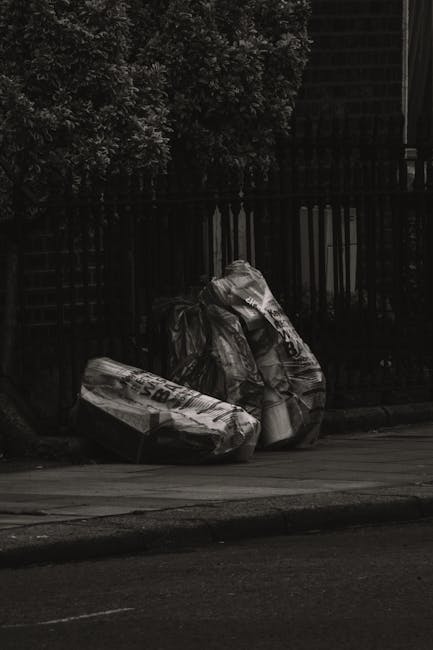
Flat rubbish removal Goldhawk Road Shepherds Bush

If you live in or around Goldhawk Road Shepherds Bush, you already know that flat clearance can be awkward in ways a house clearance never is. Narrow stairwells, shared hallways, lift restrictions, parked cars, neighbours who are working from home, and the constant question of where to put the old sofa before it blocks everything. Flat rubbish removal Goldhawk Road Shepherds Bush is really about solving all of that quickly, safely, and without turning your building into a small disaster zone.
This guide explains how flat rubbish removal works, what it can include, what to watch out for, and how to choose the right approach for your place. It also covers practical local realities, from access issues to responsible disposal, so you can make a sensible decision without the usual faff.
Why Flat rubbish removal Goldhawk Road Shepherds Bush Matters
Flat rubbish removal matters here because city living creates its own set of problems. In a flat, even a small amount of waste can become a big inconvenience very quickly. One old wardrobe suddenly means blocked access, and one broken appliance can sit in the corner for weeks if nobody has a clear plan. That is before you factor in landlords, managing agents, building rules, and the simple reality that your neighbours probably do not want to step around your unwanted items for long.
Goldhawk Road Shepherds Bush is a busy part of West London, and that usually means time, space, and access are all limited. Waste left in communal areas can look messy, attract complaints, and create a trip hazard. It can also make cleaning harder, especially in shared entrances where dust, cardboard, or bits of packaging end up drifting about. To be fair, the problem is often less about the rubbish itself and more about how long it sits there.
There is also a compliance side. Household waste, bulky items, electricals, and certain specialist materials should be handled properly. If you are clearing a flat after a tenancy change, a renovation, or a family move, using a service with a proper approach helps avoid shortcuts that can come back to bite later. It is not just about tidiness. It is about doing things properly.
For many residents, the real value is peace of mind. You want the job gone in one visit, not spread over three weekends. You want the hallway clear. You want the lift free. And, if possible, you want the whole thing to be done without that slightly stressful feeling that you have made life difficult for everyone else in the building.
How Flat rubbish removal Goldhawk Road Shepherds Bush Works
At its simplest, flat rubbish removal is a collection and clearance service for items that are too awkward, bulky, heavy, or numerous to handle through normal bin disposal. The exact process will depend on the type and volume of waste, the access to the property, and whether anything needs special handling.
In a typical flat clearance, the process starts with a quick assessment. That might be a description over the phone, a booking form, or a site visit if the job looks more complicated. The aim is to understand what needs removing, whether there are stairs, lifts, parking constraints, or shared access points, and how long the clearance is likely to take. Good planning here saves everyone time later.
Then comes the removal itself. Items are usually carried out carefully, protected where needed, and loaded into a vehicle for sorting and disposal. Where possible, reusable items are separated from general waste. Recyclable material is handled differently from mixed rubbish, and anything that needs specialist treatment is kept apart. If you are getting rid of furniture, you may also find it helpful to look at furniture clearance or furniture disposal options, depending on what needs taking away.
Some jobs are straightforward. A few bin bags, a mattress, a coffee table, and a broken chest of drawers. Others are more mixed: old appliances, packaging from a flat renovation, office bits, and a couple of awkward items that barely fit through the door. If the clear-out involves more than general household clutter, the broader waste removal service can be useful because it keeps the process simple rather than making you split everything into tiny categories yourself.
And yes, access matters a lot. A second-floor flat with no lift is a very different job from a ground-floor studio with side access. The better the information you give upfront, the smoother the removal will be. That sounds obvious, but people forget it all the time.
Key Benefits and Practical Advantages
There are a few reasons why flat rubbish removal is often the better option than trying to do it yourself. The most obvious one is convenience, but there is more to it than that.
- Less heavy lifting: Bulky items are awkward in narrow stairwells, especially when there are corners, banisters, or tight landings.
- Faster turnaround: A good clearance can often be done in one visit, which is much easier than hiring a van, borrowing help, and making several trips.
- Better for shared buildings: Items are removed in a way that reduces mess, noise, and disruption in communal spaces.
- More responsible disposal: Waste can be sorted for recycling or specialist handling rather than dumped in mixed loads.
- Less stress during moving or refurbishing: If you have enough on your plate already, getting the rubbish out of the way makes everything feel more manageable.
There is also a practical benefit people sometimes miss: empty space changes how a flat feels. A room that has been carrying unused items for months can suddenly look bigger, cleaner, and easier to live in once everything unnecessary has gone. You notice it immediately. The echo changes, the light reaches the corners better, and the whole place feels less crowded.
If you are comparing services, check whether the provider offers a clear booking process and transparent pricing. You can review the company's pricing and quotes information before making a decision, which is often a smart first step when you want to avoid surprises.
Who This Is For and When It Makes Sense
Flat rubbish removal is useful for more people than you might think. It is not only for full-scale end-of-tenancy clears. In fact, many bookings are for very ordinary situations that just need a fast, practical fix.
- Tenants who are moving out and need to leave the property tidy.
- Landlords and letting agents who need a flat cleared between occupiers.
- Homeowners doing a declutter before sale, refurbishment, or subletting.
- Families helping a relative clear a flat after a change in circumstances.
- People downsizing who need help dealing with bulky items and mixed waste.
- Renovators removing old fixtures, broken furniture, packaging, and general debris.
It also makes sense when timing matters. Perhaps the new tenant is arriving tomorrow. Perhaps the decorating team is due at 8 a.m. Maybe the estate agent wants photos taken and the flat looks half-full of clutter. Whatever the deadline, the right clearance support helps the schedule stay intact rather than spiralling into a last-minute panic.
If you are sorting through more than one type of waste, the related services can help as well. For example, a flat clear-out after a refurbishment may overlap with builders waste clearance, while a larger household move may involve home clearance or house clearance style work as part of a broader project.
Step-by-Step Guidance
If you want the process to run smoothly, a bit of preparation goes a long way. Nothing fancy. Just sensible, methodical stuff.
- Walk through the flat room by room. Make a quick list of what is going and what must stay. It helps to separate furniture, general rubbish, appliances, and anything sensitive.
- Check access points. Look at stairs, lifts, shared hallways, entry codes, parking, and any building rules about removal times.
- Identify awkward items early. Fridges, freezers, mattresses, sofas, and anything bulky often need specific handling. If an appliance is involved, you may want to consider fridge and appliance removal.
- Separate anything hazardous. Paint, chemicals, batteries, and similar items should not be mixed in with ordinary rubbish. If you are unsure, ask before the job starts.
- Take photos if helpful. A few pictures can make quoting simpler and reduce misunderstanding. Not glamorous, but it works.
- Book a suitable time slot. Think about neighbours, parking pressure, and when lifting items through common areas will cause the least disruption.
- Do a final sweep before arrival. Make sure the items to be removed are easy to identify. Small delays often happen because one box of random bits gets forgotten under a bed.
A good habit is to keep a "stay" pile and a "go" pile. It sounds almost too simple, but it prevents accidental disposal and makes the actual clearance much faster. Truth be told, most mistakes happen because people try to decide in a rush while someone is already at the door.
Expert Tips for Better Results
Here is where a little experience really helps. The jobs that run well usually share the same features: clear communication, decent access information, and a sensible understanding of what should be treated as waste versus what might still have value.
Tip one: if you have a mix of furniture and general clutter, separate the high-value or reusable items first. That makes it easier to choose the right route for the rest. A service such as mattress and sofa disposal can be useful when large soft furnishings are the main issue, especially if they are too worn to donate or reuse.
Tip two: do not underestimate access times in a flat. Carrying a heavy wardrobe down three flights in a building with tight corners takes longer than most people think. Add a lift that keeps stopping on other floors and, well, the clock ticks. Slightly annoying, but normal.
Tip three: ask about sorting and recycling, not just collection. Responsible flat rubbish removal should not treat every item the same. Reuse, recycling, and proper disposal all matter. You can read more about the approach to recycling and sustainability if environmental handling is important to you.
Tip four: if you are dealing with paperwork, records, or sensitive office material in a flat-based workspace, confidential handling matters. In those cases, confidential shredding may be relevant alongside the clearance.
Tip five: always mention anything unusual. A weirdly heavy cabinet, a locked storage box, a broken freezer hidden on a balcony, or building restrictions that make collection awkward. The more honest the brief, the better the result. Nobody likes surprises halfway down a staircase.
Common Mistakes to Avoid
Flat clearances go wrong for surprisingly small reasons. Most of them are avoidable.
- Leaving everything until the last minute. This is the classic one. Suddenly it is 6 p.m. the night before moving out and there is still a pile of stuff in the lounge.
- Not checking building rules. Some flats have quiet hours, loading restrictions, or rules on using lifts for bulky items.
- Mixing general waste with restricted items. Batteries, fridges, chemicals, and broken electronics may need separate treatment.
- Forgetting about parking or access. A perfectly good clearance can stall if the vehicle cannot get close enough.
- Assuming one quote fits every job. A first-floor studio and a top-floor two-bed are not the same job, even if the item list looks similar.
- Not protecting floors and walls. In tight hallways, careful movement matters. Scratched paintwork is a miserable way to finish a tidy-up.
There is a deeper mistake too: treating the job as only a rubbish problem. In reality, it is an access, time, and logistics problem as well. Once you see it that way, planning becomes much easier.
Tools, Resources and Recommendations
You do not need a lot of equipment to prepare for flat rubbish removal, but a few simple tools make life easier.
- Strong bin bags for lighter mixed waste and loose items.
- Labels or tape to mark what is staying and what is being removed.
- Gloves for handling dusty or sharp items.
- Measuring tape if you are checking whether furniture will fit through doors or down stairwells.
- Phone camera for photos, inventory checks, and quick quoting.
- Cardboard sheets or blankets if you are protecting floors during movement.
For larger or mixed clearances, the most useful resource is often a service provider that can explain what they do clearly. A well-run company should offer practical guidance about booking, payment, access, and expectations. You may also want to review payment and security if you prefer to know how transactions are handled before you book.
If you are comparing how much you can do yourself versus what should be left to professionals, it can help to think in terms of hassle, not just price. A cheap van hire is not cheap if you spend half the day lifting, parking, waiting, and arguing with a sofa that refuses to turn. Been there, regretted that.
Law, Compliance, Standards, or Best Practice
Any rubbish removal service should follow normal UK waste-handling expectations, and a homeowner or tenant should avoid leaving waste where it can create hazards or nuisance. You do not need to know every detail of waste law to act responsibly, but a few basics are worth keeping in mind.
First, waste should be taken to appropriate facilities and handled in a way that suits its type. General household waste is one thing. Electrical items, fridges, mattresses, and anything hazardous are different. Second, if the items are from a business or office in a flat, more careful handling may be required, especially for confidential material or specialist waste streams.
Third, safety matters. Hallways and stairwells are shared spaces. Loads should be moved safely, and the people handling them should know what they are doing. If you want reassurance on that side, look at a provider's insurance and safety information and its health and safety policy. Those pages are not glamorous, but they tell you a lot about how seriously the operation is run.
Best practice also includes clear pricing, respectful conduct, and realistic communication about what can and cannot be removed in one go. If something falls into a specialist category, it should be identified rather than guessed at. That kind of caution is a good sign, not a weakness.
Options, Methods, or Comparison Table
When you need rubbish removed from a flat, you generally have a few routes. The right one depends on the amount of waste, your access, and how much time you want to spend dealing with it.
| Option | Best for | Pros | Trade-offs |
|---|---|---|---|
| DIY trip to the tip | Very small loads | Can suit simple clear-outs if you already have a vehicle | Time-consuming, heavy lifting, parking issues, multiple trips |
| Skip hire | Longer projects with ongoing waste | Useful if rubbish is generated over several days | Space needed, permit considerations, not ideal for tight flat access |
| Professional flat rubbish removal | Bulky, mixed, or urgent waste | Fast, convenient, less disruption, handled by people used to awkward access | Usually chosen for convenience and speed rather than the absolute lowest upfront cost |
For many flats on or near Goldhawk Road Shepherds Bush, professional removal is the most practical option. The access is often the deciding factor. If you live on a higher floor or in a building with busy communal areas, a direct collection can be far less disruptive than trying to manage the job yourself.
If you are unsure what kind of waste you have, the page on what can go in a skip can also help you think through what is classed as general waste versus items that may need a different approach.
Case Study or Real-World Example
Picture a two-bedroom flat near Goldhawk Road after a long tenancy. Nothing dramatic, just the usual build-up: a worn-out sofa, a broken coffee table, three bags of mixed clutter from the spare room, a mattress, and a few bits of packaging left from a small DIY refresh. The tenant has moved most belongings already, but the last clear-out is the awkward bit.
In a situation like that, the main challenge is not volume. It is timing and access. The building has a narrow stairwell, and the lift is small enough that you would not want to force a mattress in there if you could avoid it. There is also a cleaner arriving later in the afternoon, so the clearance has a hard stop.
The sensible approach is to group items by type, make sure anything fragile or sharp is noted, and clear the bulky items first. The sofa comes out carefully. The mattress follows. Loose waste is bagged and removed at the end so the flat can be left ready for final cleaning. Simple enough in theory, but the difference between a tidy handover and a frantic one is often just good planning.
What matters most in that kind of job is not being heroic. It is being organised. The job feels smaller once it has a structure.
Practical Checklist
Use this quick checklist before booking or on the day of collection.
- Walk through every room and identify the items to be removed.
- Separate general waste, furniture, appliances, and anything questionable.
- Check stair access, lift size, parking, and building rules.
- Confirm whether any items need specialist handling.
- Take photos if you want a clearer quote or easier planning.
- Move small loose items into bags or boxes.
- Protect floors and walls where items will pass through narrow areas.
- Keep anything staying in the flat clearly marked.
- Ask about sorting, recycling, and disposal expectations.
- Make sure someone is available if access codes or entry arrangements are needed.
If you tick those off, the job is usually far easier than people fear. And that relief, when the last bulky item finally disappears, is honestly a lovely feeling.
Conclusion
Flat rubbish removal Goldhawk Road Shepherds Bush is really about restoring space, calm, and control in a place where every square foot matters. Whether you are moving out, clearing after a renovation, helping a tenant, or just trying to reclaim a room that has become a storage zone, the right approach saves time and avoids stress.
The key is to treat it as a practical planning job, not just a lifting job. Think about access, building rules, waste type, and timing. Choose a service that understands flats, shared entrances, and the real-world constraints of West London living. That way, the whole process becomes cleaner, quicker, and much less of a headache.
Get a free quote today and see how much you can save.
Sometimes the best thing you can do for a flat is simply clear the clutter, open the windows, and let the place breathe a bit again.
Frequently Asked Questions
What does flat rubbish removal usually include?
It usually includes collection and disposal of bulky household waste, unwanted furniture, bagged rubbish, and mixed items that are hard to move or dispose of yourself. Exact inclusions depend on the load and access.
Can you remove rubbish from a flat with no lift?
Yes, that is very common. The key is to give accurate access details in advance so the collection can be planned properly. Stairs, narrow landings, and tight corners just need a bit of extra care.
Is flat rubbish removal better than skip hire for a flat?
Often, yes. Skip hire can be awkward for flats because of space, permits, and the need to carry waste out yourself. Direct removal is usually easier when the building access is limited.
What happens to furniture during a flat clearance?
Furniture is typically removed from the property, then sorted for reuse, recycling, or disposal depending on condition and material. Sofas, mattresses, and broken pieces may need different handling.
Do I need to separate all my rubbish before booking?
No, not always. Some separation helps, especially for hazardous or specialist items, but many flat clearances can handle mixed waste. Clear labelling and a quick pre-sort make the job smoother though.
How do I know if an item is hazardous?
If it contains chemicals, batteries, oils, paint, pressurised contents, or other potentially harmful materials, treat it cautiously. If you are unsure, describe it clearly before collection rather than guessing.
Can appliance removal be included with flat rubbish removal?
Yes, often it can. Fridges, freezers, washing machines, and similar appliances may be handled as part of a wider clearance, though some items need specialist treatment. It is best to mention them early.
How long does a typical flat clearance take?
That depends on the amount of waste, the floor level, and access conditions. A small load might be quick, while a larger or awkward flat can take longer. The more accurate the information, the better the estimate.
Will the team remove items from communal areas as well?
Usually yes, if those items are part of the job and access is permitted. It is still better to avoid leaving anything in hallways for long, especially where neighbours or managing agents may complain.
How should I prepare for a same-day flat rubbish collection?
Keep the items together, make sure access is clear, identify any special items, and have entry details ready. If you can, do a quick final sweep so the collection can begin without delay.
Is responsible disposal important for flat rubbish removal?
Very much so. Waste should be handled safely and in line with normal UK best practice, with recyclable items and specialist waste treated properly. Responsible disposal protects the building, the local area, and everyone involved.
Where can I learn more about the company behind the service?
You can read more on the about us page, or get in touch through the contact us page if you want to discuss a specific job.